Runway Incursions Are Rising in Canada: Why Human Factors Are More Important Than Ever
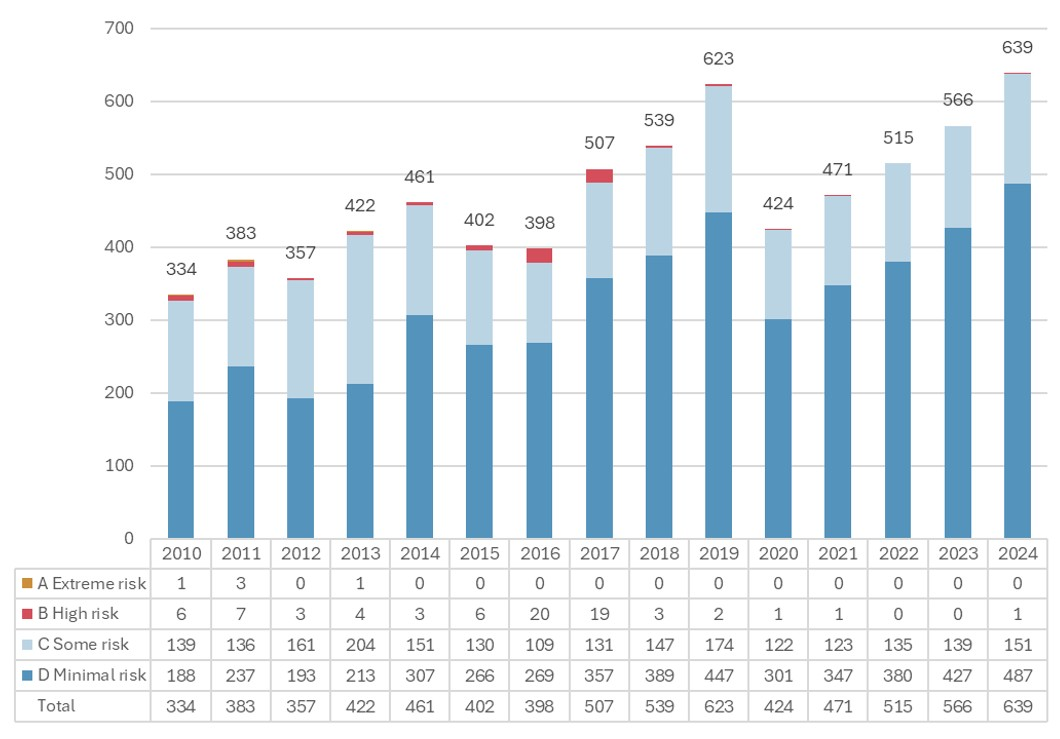
Recent data from the Transportation Safety Board of Canada show that runway incursions reached a record 639 in 2024, the highest level observed in the >15 years of tracking. Despite millions of safe aircraft movements annually, incursions have steadily increased from 539 in 2018, reinforcing their status as a persistent and systemic safety concern. While most events are classified as lower risk, the continued rise signals deeper vulnerabilities across the aviation system.
The issue is not evenly distributed. A relatively small number of airports account for a disproportionate share of incursions, particularly those with flight training activity. This concentration points to operational environments where complexity, workload, and variability are elevated, conditions known to increase the likelihood of human error.
Industry responses have included improvements to signage, lighting, procedures, and situational awareness technologies, alongside enhanced training and collaboration initiatives. These measures are necessary, but the data suggest they are not sufficient on their own. The persistence of incursions indicates that underlying human and organizational factors remain incompletely addressed. A range of contributing pressures has been identified, including air traffic controller shortages, increasing system complexity, and the demands of operating in unfamiliar or high-tempo contexts. Running through many of these is a common thread: how people perceive, interpret, and act within dynamic environments.
This is where The Presage Group’s approach becomes critical. Rather than treating incidents as isolated failures, Presage focuses on the behavioural mechanisms that shape decision making under risk. The goal is to identify who may be at elevated risk, understand the conditions under which that risk emerges, and implement targeted, evidence-based interventions.
By examining psychosocial and organizational drivers, including cognitive load, fatigue, communication dynamics, and situational awareness, this approach shifts safety management from reactive to more proactive. It complements existing technical and procedural safeguards by addressing the human performance factors that ultimately determines how systems are used in practice.
In high-risk domains like aviation, safety requires a detailed understanding of behaviour in context. If runway incursions continue to rise, meaningful progress will depend on integrating behavioural insight into how risk is identified, managed, and mitigated across the system.